
How 2026 Strength of Schedule Should Shape Your Fantasy Draft

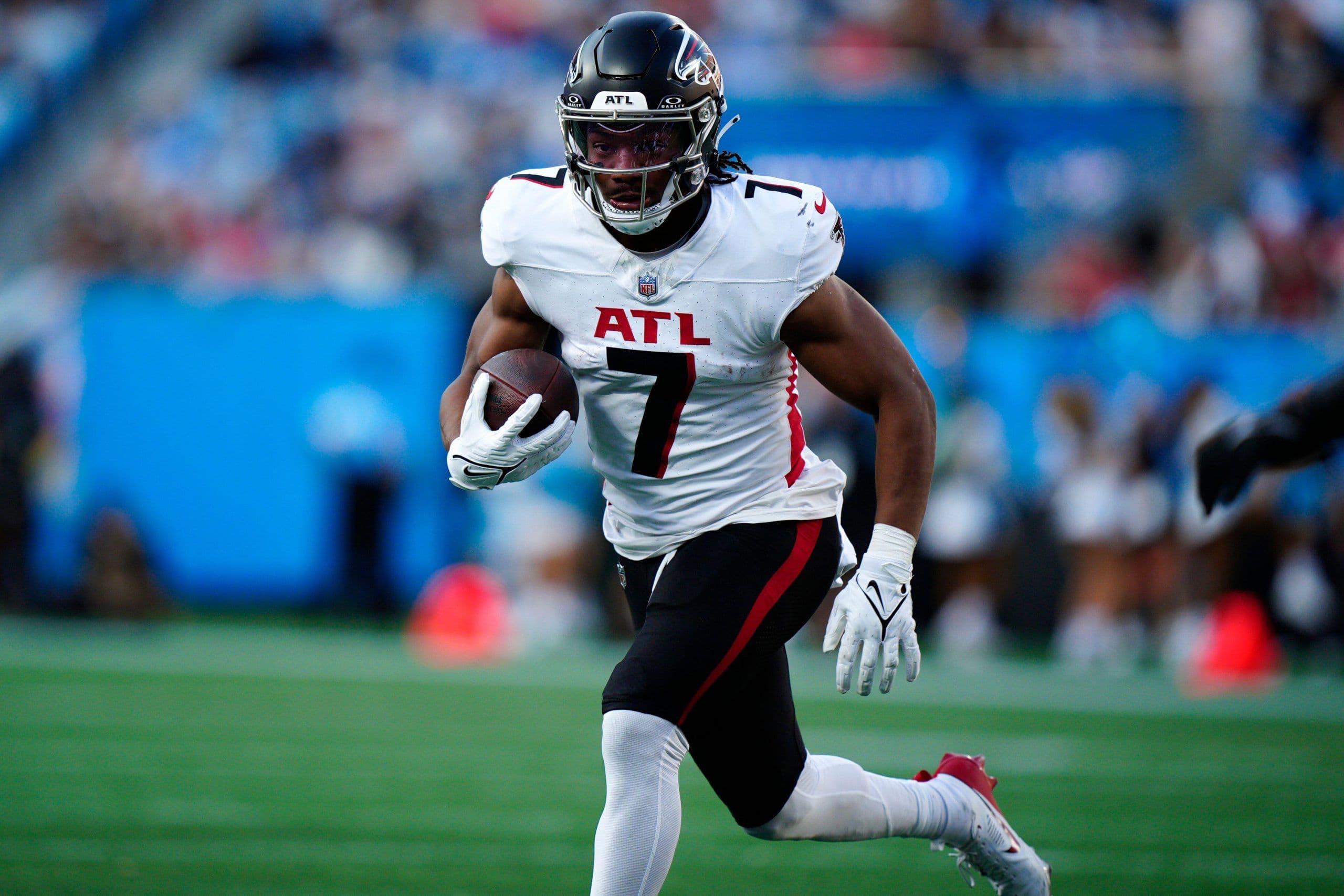
Sharp Football’s 2026 fantasy strength-of-schedule data just dropped. Here’s how to interpret it for draft-day positioning, which positions move most with opponent quality, and practical roster moves to exploit soft and brutal matchups.
Football’s 2026 strength-of-schedule rankings are a timely tool for fantasy managers aiming to squeeze extra value from drafts and in-season lineup choices. The metric looks beyond simple win-loss records to quantify opponent tendencies and how they translate to fantasy production allowed. Used properly, SOS can flip borderline decisions and uncover late-round targets with underrated ceilings.
#What strength of schedule measures and why it matters
SOS evaluates how tough a player’s slate is based on opponent defensive profiles and their historical fantasy points allowed. That matters because not all points are created equal: a running back facing weak front-sevens or a wide receiver playing teams that struggle to cover the perimeter will have more consistent ceiling weeks. SOS isn’t a crystal ball, but it’s a predictive layer that helps separate skill from opportunity.
#Positional impacts to prioritize
Quarterbacks, running backs, and wide receivers don’t all react the same to schedule variance. Consider these general takeaways:
- - QB: Easier pass defenses boost volume and touchdown chances; streaming QBs benefit most from playoff-week matchups. - RB: Schedules that tilt toward weak run defenses increase both rushing floor and touchdown upside; committee backs gain less from soft SOS than lead backs. - WR: Coverage-friendly slates elevate target conversion and touchdown probability, especially for boundary and slot specialists. - TE: Tight end production is the most volatile; a soft passing schedule can resurrect mid-round TEs but won’t reliably bump sleepers into top tiers.
#How to use SOS at the draft and during the season
Draft strategy should weigh SOS as an input, not a mandate. Early-round selections should primarily reflect talent and role; SOS becomes more valuable when choosing between similarly ranked players. Look for mid-to-late round receivers and backs with soft schedules who could outperform ADP. During the season, target buy-low candidates heading into easier stretches and plan waiver acquisitions around multi-week favorable runs.
Finally, integrate SOS with injury reports, offensive changes and quarterback stability. A soft schedule can’t rescue a depleted offense, but it amplifies the upside of players in healthy roles. Use Sharp Football’s 2026 SOS as another filter: prioritize matchup-driven starts, exploit multi-week favorable runs for streaming options, and tilt late-round risk toward players who will see cushioned opposition.
#Source
Source: Sharp Football Analysis
More from Rankings
View category →

Latest coverage
More from The Snap
- 01
- 02
- 03
- 04
- 05